

What You’ll Often See and What You Might Be Lucky to See
According to scientists, there may be as many as 2,000 different species of birds on the North American continent, though others contend that the number is significantly less, no more than 800-900. The significant difference is typically attributed to the geographic regions included (some don’t include Hawaii and the Caribbean in their counts), and to the distinctions between closely related species. Regardless, even though the number of breeding adult birds has declined by nearly 3 billion since 1970, there are still many winged creatures to thrill amateur ornithologists.
The Most Common Birds on the North American Continent
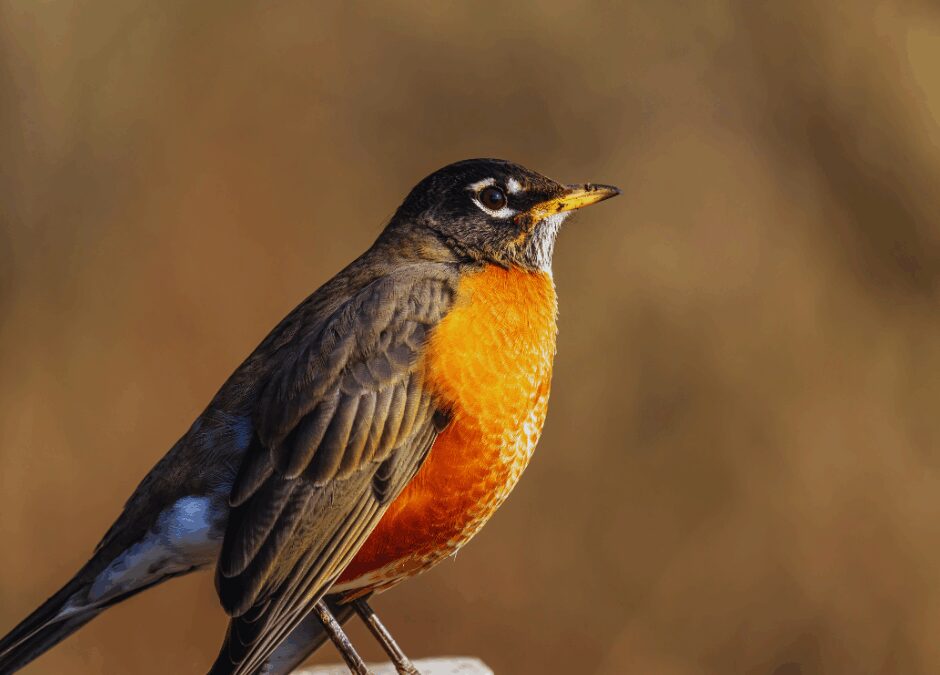
The most common bird across the continental United States is the American robin, estimated between 200 and 350 million strong. The state bird of Michigan, Connecticut and Wisconsin, the robin can be found in virtually every state, in Mexico and across Canada, except for the northernmost parts of Alaska and Canada.
The blue-gray Gnatcatcher, approximately 230 million strong, can be found most often in the eastern and southwestern United States, with some populations residing year-round in southern climates such as Texas, Louisiana and Florida.
The red-winged blackbird, estimated at just under 150 million across the continent, can typically be found in marshes and wetlands from Alaska to Central America, though the northern birds migrate south for the winter.
The mourning dove and the Northern cardinal are also extremely common with about 120 million each spread across the continent.
Count Yourself Lucky If You See One of These Birds
It probably comes as no surprise that the rarest bird in North America is the California condor, with less than 500 believed to be living in the wild. The largest bird on the North American continent, these majestic creatures can have a wingspan of nearly 10 feet and can live almost 60 years. They don’t build nests but tend to bed down in cavities or shelters in cliffs and rock formations.
There are believed to be about 4,000 sandhill cranes living in the wild. The sandhill crane, another large bird, can be up to four feet tall with a wingspan of up to seven feet. They’re well known for their distinctive trumpeting calls and complex courting rituals. The cranes typically gather in Nebraska during spring migration, spending the winters in Texas, Florida, California and New Mexico and the summers in Michigan, Minnesota, Wisconsin and Alaska.
Among small birds, the rarest is the Gunnison sage-grouse, with the habitat for about 80% of the birds limited to western Colorado and eastern Utah. Like other grouse, they engage in complex courting rituals, puffing up their chests, fanning their tailfeathers and emitting loud mating calls.
The Kirtland’s warbler, with breeding grounds in Wisconsin and Michigan, has been seen only rarely in the American Northeast. The bird needs a habitat of young, dense jack pine forests to breed, which are rare in New England and the Northeast.
