

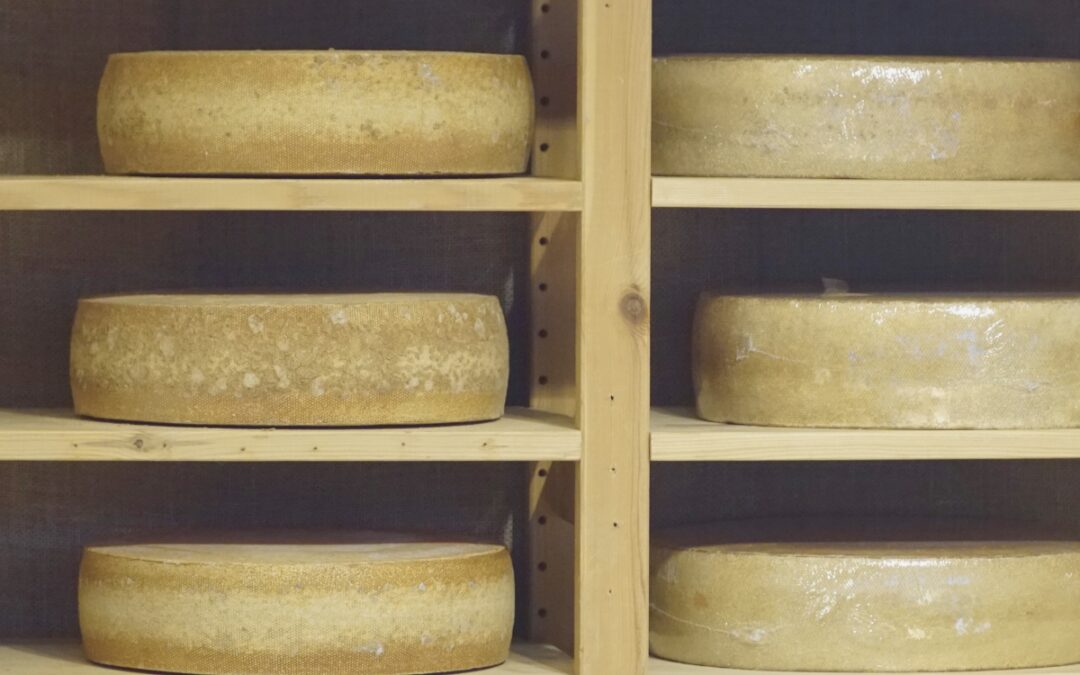
Guidelines for Avoiding Any Health Risks with Aged or Fermented Foods
Some form of aging has long been used by humans to preserve certain types of food. Archaeological digs suggest that people were drying fruits, vegetables and meats as early as 12,000 BCE, and that fermentation has been around for at least eight millennia. Aged cheeses have been pulled out of Egyptian tombs and scientists have effectively dated honey back more than 3,000 years. Some food ages well, though, and other foods can become extremely dangerous when around too long. How can you tell the difference?
What Do You Want to Avoid When Aging Foods?
Aged food can pose serious health risks when harmful bacteria have an environment that allows them to thrive. The key factors that determine whether such an environment will be created include:
- Temperature at which the food is aged—As a general rule, you want to keep the ambient temperature at or below 40 degrees Fahrenheit. Any type of perishable food should not be kept between 40 degree and 140 degrees for more than two hours, as this is the optimal temperature for harmful bacteria to grow.
- The humidity levels in the environment where the food is being aged—The optimal humidity levels for effectively drying/aging food are generally between 70% and 85%. If the humidity is too high, there’s a significant risk of mold. If the humidity is too low, the food may be safe, but will likely lose weight and size and may develop a thick crust.
- Whether or not there is sufficient airflow where the food is being aged—Experts recommend air transfer of approximately 15-20 feet per minute, or about .2 miles per hour. You don’t need a lot, but you need some, so that humidity and moisture do not accumulate.
- The extent to which any “unsanitary” conditions exist where the food is being aged—Make certain the environment is clean. Avoid the use of dirty utensils and don’t allow anyone near the food who has any type of health concern.
Are There Specific Types of Food that Should Not Be Aged?
The foods that present the most serious risks are typically those with the highest moisture content, or that deteriorate rapidly, such as fresh produce, soft fruits and dairy products (hard cheese can be okay, but soft cheeses don’t do well). Raw fish and meat can be safely dried, but you need to keep the temperature consistently at 130-140 degrees Fahrenheit. You also want to avoid fatty meats or fish, and, if possible, slice the meat thinly.
