

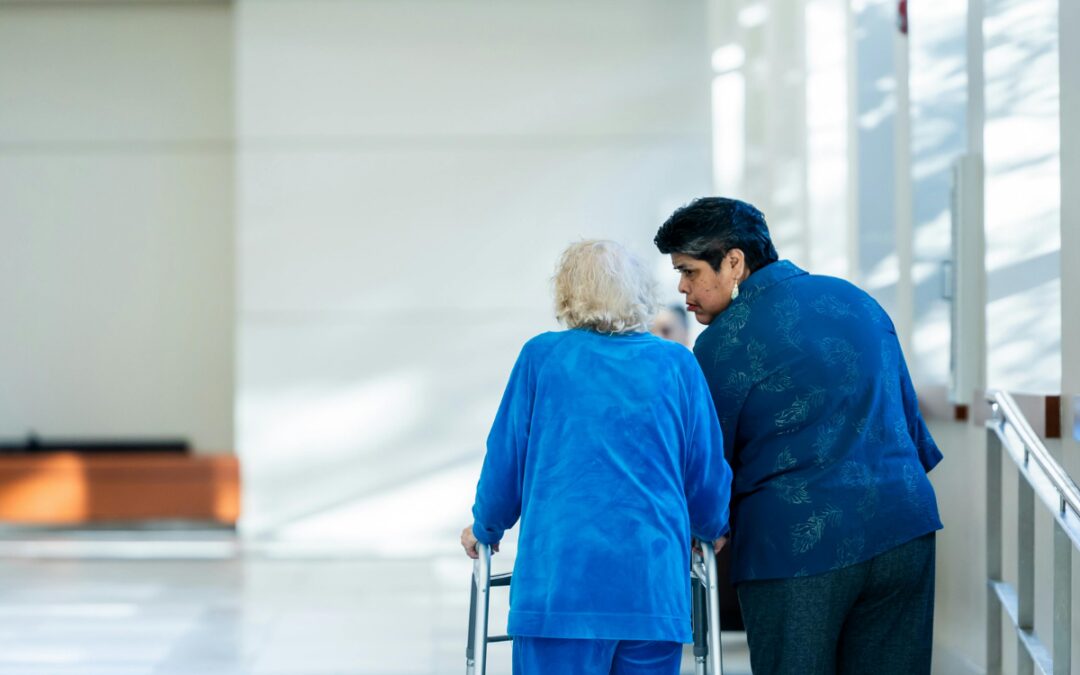
What Is Your Role in Promoting the Safety of an Older Parent or Loved One?
If you’re like many Americans in their 40s or 50s, your parents are starting to experience health issues that make it difficult for them to live independently. With the costs of assisted living and similar types of care skyrocketing, many children of aging parents are choosing to bring them into their own homes or move in with them. It’s a common expectation, among the younger generation, to assume that part of their responsibility with respect to aging parents is “to keep them safe.” Many, however, soon discover that this is, at best, a Sisyphean task, requiring an almost 24/7 monitoring of their elder’s activities.
Why Is Keeping an Aging Parent Safe Such a Challenge?
A number of factors contribute to the difficulty of protecting an elder parent from physical harm:
- Most safety measures are interpreted by your aging parent as a threat to their independence. For this reason, many seniors will wait until they know others are not around and engage in potentially risky behavior. They may also refuse to use mobility aids or conceal any falls or other mishaps.
- If a senior has memory loss or symptoms of dementia, they may not remember or be aware of any potential physical limitations
- Risks may come in a variety of forms—Caregivers often take measures to address obvious risks, such as stairs or bathroom floors, but fail to see more subtle dangers, including throw rugs or low-slung chairs
Strategies for Minimizing the Risk of Injury to an Elder Parent
Unless you want to devote every waking moment to attending to an elder parent, it’s virtually impossible to “keep them safe.” Many caregivers eventually conclude that their primary responsibility is keeping others safe—taking keys away when an aging parent can no longer driver safely, for example—while simultaneously creating an environment where the senior has access to tools that promote safety. This may include:
- Installation of grab bars in heavily used or potentially dangerous locations, such as the bathroom or kitchen
- Positioning of furniture and grab bars to minimize the distance an aging parent has to travel without some type of support
- Improved lighting throughout the house, including night lights for 3 am trips to the bathroom
- Non-slip mats in bathrooms and kitchens
- Daily monitoring of medications
