

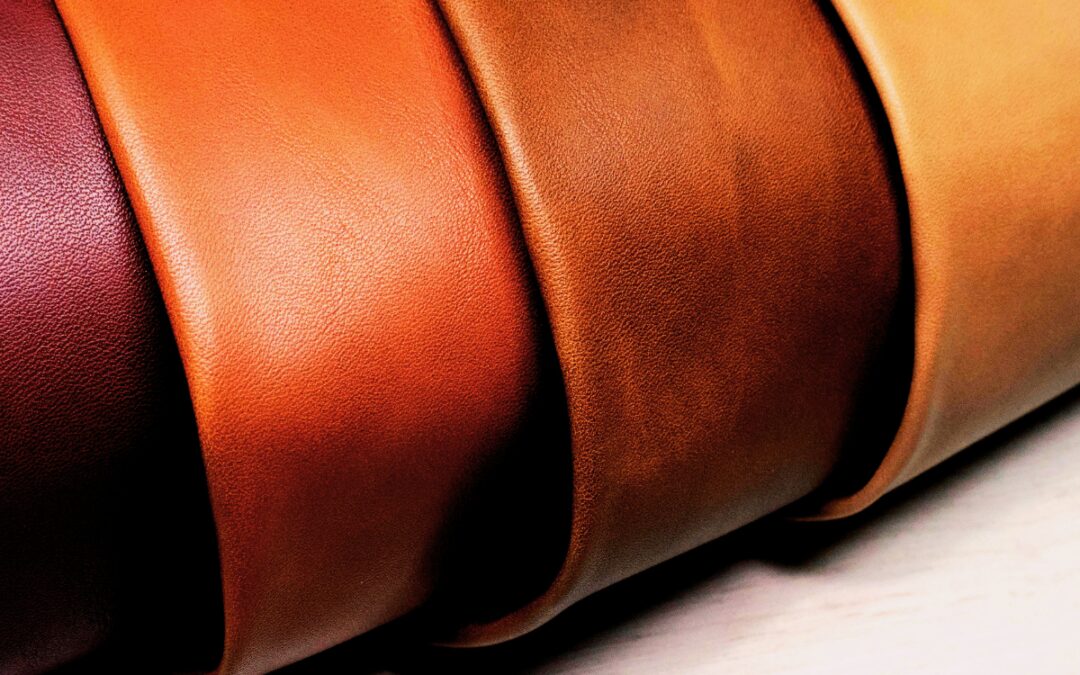
Making a Fabric with the Look and Feel of Real Leather without Animal Products
Do you like the feel and durability of leather, but feel uncomfortable with or simply oppose the use of animals for such purposes? There’s an animal-free alternative, known as vegan or faux leather that you may want to consider.
How Is “Vegan” Leather Made?
There are a number of options for faux leather:
- Purely plant-based imitations—Faux leathers are available that made from mushroom byproducts or other plant-based binding agents. Producers take plants, such as apples, cacti or pineapples and grind them into a mash. They are mixed with a fabric backing or natural resins, then shaped and dried into leather-like material, which can be cut and sewn into garments. Most of the leather made this way comes from agricultural waste or fast-growing plants.
- Plant-synthetic hybrids—Manufacturers take a natural product, often from pineapple or apple waste, and mix it with polyurethane to provide structure and durability.
- Plastics-based, using PVC (polyvinyl chloride) or PU (polyurethane) to create fabric-like material
Advantages and Disadvantages of Vegan Leather
While wearing a faux or vegan leather can help minimize cruelty to animals, it can have other benefits as well. It’s usually more water-resistant than real leather and typically weighs less. It can also have lower carbon footprint, as it does not involve the immense greenhouse gas emission that come from raising livestock.
On the other hand, though, synthetic vegan leathers are typically petroleum-based and generally not biodegradable. Their lifespan is also customarily much shorter than real leather, with garments made of faux leather starting to show signs of wear and tear after just a few years. The purely plant-based vegan leathers, however, are typically highly biodegradable.
Other distinct differences between real leather and faux/vegan leather include:
- Breathability—Real leather naturally breathes, whereas plastic-based vegan leather does not, potentially causing you to sweat when you wear it
- Price—The faux leathers are generally cheaper than the real leathers
- Maintenance—Faux leathers tend to be less porous, so they don’t absorb stains or spills, making them easier to keep clean
Vegan Leather—Offering Some Benefits with Some Challenges
Vegan leather isn’t an exact replacement for the real thing. It offers some benefits, but also comes with its own set of drawbacks.
