

What Is Augmented Reality? What Are the Most Common Uses?
Have you shopped recently for furniture or appliances online or even in the store and had the opportunity to use digital imagery to see what the item would look like in your home? Have you bought a new house and received a three-dimensional digital image that lets you walk through the rooms, add or remove furniture, and even get measurements? If so, you’ve taken advantage of augmented reality. You can expect to encounter it more and more, as augmented reality currently boasts an estimated 1.7 billion users, up from just 2 million just 10 years ago.
What Is Augmented Reality?
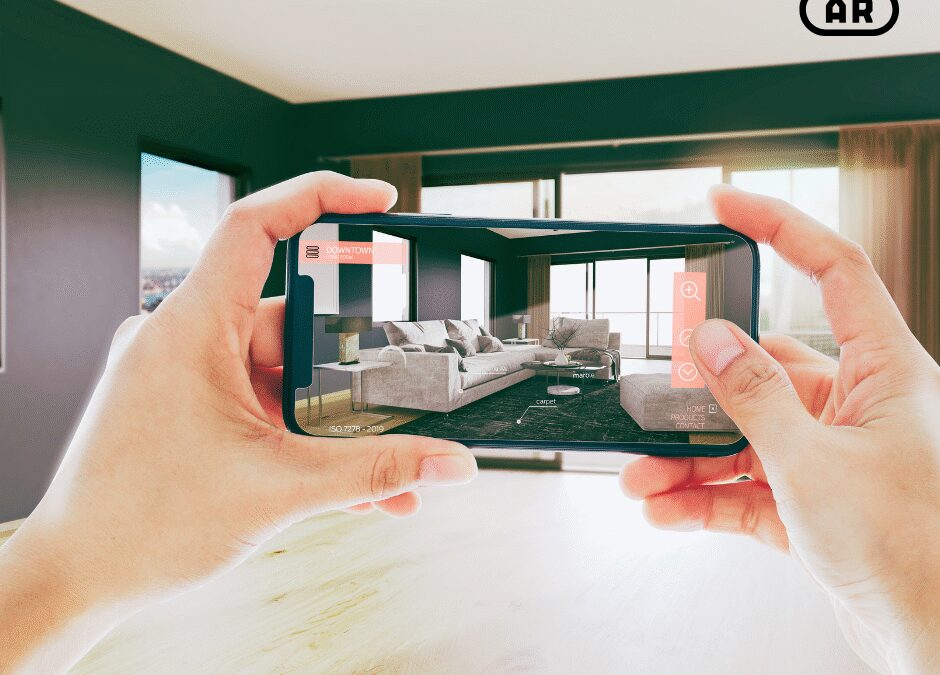
Augmented reality involves the use of digital technology to superimpose an image on some view that you have of the real world. A distant cousin of virtual reality, augmented reality doesn’t replace the real world with a fully digital one, but instead adds images to your visual field, so that they appear as fully integrated into your actual environment. The images are typically superimposed on a handheld device, such as a tablet or mobile phone, or through the use of special glasses.
What Are the Most Common Uses of Augmented Reality?
Augmented reality offers many diverse applications, including:
- Retail sales—AR is already being used extensively in retail, from furniture stores such as IKEA that allow you to see how furniture will fit with the décor of your home to technologies that customize the fit, size, color and other options of most types of clothing. Harley Davidson also offers an app that lets you view customized versions of a motorcycle.
- Home design and architecture—There are programs whereby a camera can record each room in an existing house and then integrate them into a single structure, so that you can walk through the home without actually being there. Some have features that allow you to get precise measurements within a room or add/remove furniture, choose paint colors and even experiment with flooring.
- Medicine—Augmented reality has revolutionized many surgical procedures, allowing for far greater precision. AR is also commonly used in medical training, allowing an interactive approach.
- Tourism—Imagine being able to visit a resort, villa, restaurant or other destination without having to travel there. With AR, you can make more informed decisions about where you’ll stay, where you’ll dine and the sights you’ll see.
- Education—AR offers almost unlimited potential in education. Students in science can view the internal workings of the human body or of other organisms. Students can also learn from virtual field trips to either different geographical locations or even different historical periods.
