

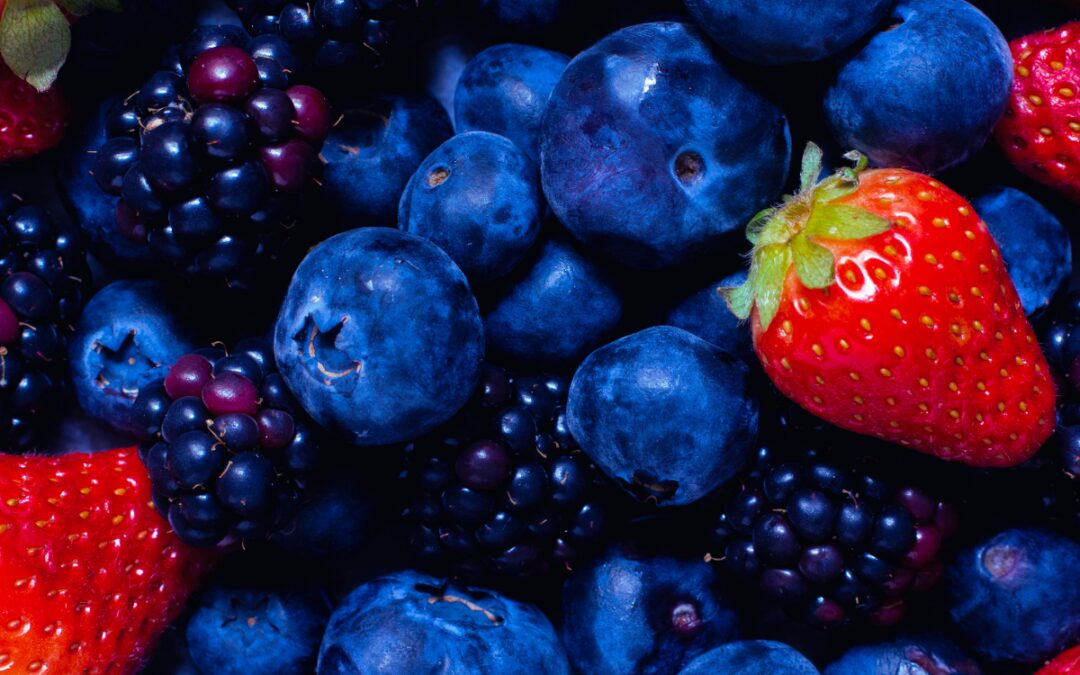
Late Frost Hits Many Early Summer Fruits
While many people in the northern climes believe that the most recent winter was one of the toughest in a long time, meteorologists say is was characterized more by opposite extremes than by prolonged cold. They also say that those extremes, many of which came late in the winter and even in the early spring, caused severe damage to many of the early fruits. As a consequence, some of the most loved and awaited summer treats are in short supply this year.
Strawberries at Record Lows
Growers across the United States reported crop damage due to the combination of early warm temperatures followed by cold snaps. In California, where about 90% of commercial strawberries are grown, balmy temperatures in February awoke the perennial strawberries, but excessive rain and freezing temperatures led many berries to either burst or mold. Growers in the Midwest, particularly in Iowa and Michigan, saw about a 90% loss of fruit because of the vacillations in the weather. In addition, some global strawberry producers, such as Morocco and China, also saw a dramatic drop in their harvests. Some studies showed as much as a 30% increase in the price of a pint of fresh strawberries.
Michigan’s Tart Cherry Crop Devastated by Weather
With its coastlines along the Great Lakes, Michigan offers the optimal growing conditions for tart cherries, producing about three-quarters of the nation’s bounty, some 200-250 million pounds. Because of spring freezes this year, cherry farmers in Michigan were only expected to deliver just more than 80 million pounds of the popular Montmorency tart cherry (some say the production may be as low as 50 million pounds), a staple in most cherry pies and for the maraschino cherry industry (90% of the nation’s maraschinos are from Michigan).
Agricultural experts say an early, but brief, warmth brought the cherry trees out of their winter dormancy and led them to bloom sooner than usual. Ensuing hard frosts then killed many of the cherry blossoms before they had a chance to develop fruit. Retail experts say that those growers who have fruit are able to demand up to a dollar a pound, about three to four times what they could command in prior years. The costs, of course, are passed on to the consumer, with tart cherries going for a much as $8 per pound.
Other Fruits May Also See Declines Due to Weather
Market specialists also say that other stone fruits, such as apricots, peaches and nectarines, may suffer a loss in production this year, due to adverse weather conditions. Blueberries and early apples may also be affected, but fall apple production is expected to be okay, barring any unforeseen events.
Fruit May Be Available, But Just More Expensive
With many fruits, such as cherries and strawberries, growers can freeze excess harvests and sell them this year. You may be able to make that cherry pie or strawberry shortcake this summer, but it could very likely be with last year’s berries and come at a higher cost.
