

Are Those Tolls Going to the Government or to a Private Entity?
The Ambassador Bridge spans the Detroit River, taking travelers across the American-Canadian border between the Motor City and Windsor. Opened in 1929, it typically sees about 10,000 vehicles cross every day. Motorists pay $10 American or $14 Canadian to traverse the structure. Until recently, most people on both sides of the bridge assumed the span was built with tax dollars and that the tolls were paid to the respective governments, used to maintain the bridge and potentially for other public projects.
In 2018, the respective governments of Canada and Michigan entered into an agreement to erect a new bridge between Detroit and Windsor. They aptly named it the Gordie Howe Bridge, in honor of the long-time star of the National Hockey League’s Detroit Red Wings, a native of Canada. As the bridge neared its completion in 2026, much of the public learned (for the first time) that the Ambassador Bridge was in fact privately owned. How did they learn this? When the owner of the Ambassador Bridge, recognizing that the opening of the new bridge would dramatically impact his business, sought political help to either delay or block the opening of the publicly funded bridge. His efforts failed and the bridge opened to the public on July 27, 2026.
Are there other well-known public thoroughfares that are privately owned? Let’s look at a couple.
- The Chicago Skyway—Originally built with public dollars to connect Chicago and northwest Indiana, the Chicago Skyway has been operated by a private entity for more than 20 years. Interestingly, one of the current beneficiaries of the current tolls, which range from $8.10 to $66.10, is the Ontario Teachers’ Pension Plan, which has the right to collect tolls for another 75 years.
- The Indiana Toll Road—A part of the Interstate 90 toll road system (which is referred to as the Ohio Turnpike, the Massachusetts Turnpike, the New York State Thruway and the Jane Addams Memorial Tollway in other states), the 157 miles of the Indiana Toll Road are subject to a 75-year lease to a private company
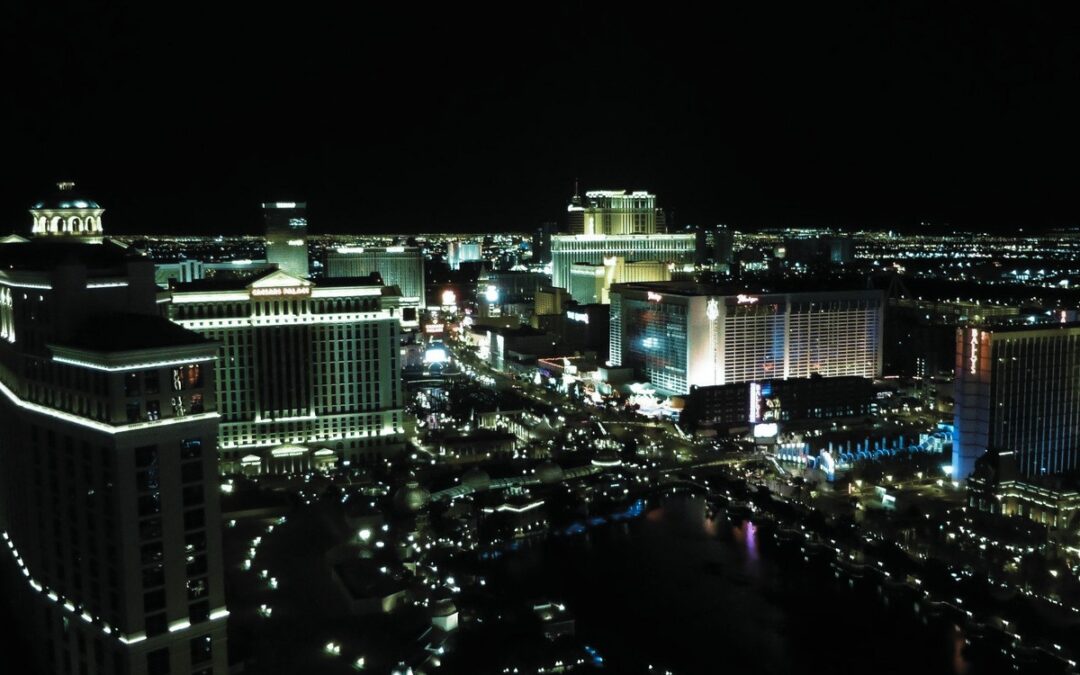
- The Las Vegas Strip—The roadway in the heart of Vegas is public property, but virtually all pedestrian thoroughfares are privately owned (by Caesars Entertainment). The private owners have the right to employ private security personnel and to ban certain activities typically allowed on private property (such as busking or street performing).
How Is Private Ownership Different from Public Ownership?
Most importantly, private owners cannot rely on public funding, such as taxes, and must typically charge tolls or user fees. Because the land is technically private property, the owners have greater control over who may use the property and how it may be used. Public access is commonly pursuant to either easements or statutory regulations.
