

From the Early Days to the Dead Era to the Modern-Day Ball
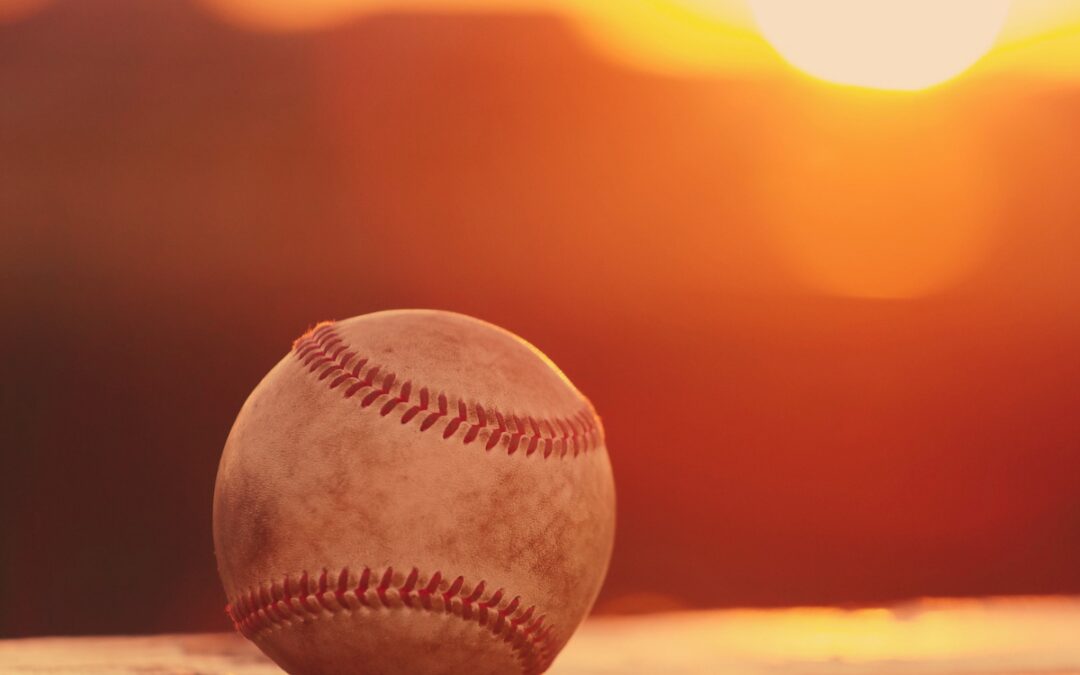
In today’s major league baseball games, the ball must meet very specific criteria. The rules require that the ball be 2.86-2.94 inches in diameter (that’s 9 to 9.25 inches in circumference) and must weigh in between 5 and 5.25 ounces. The current ball uses a cork/rubber core, wound with yarn and covered in cowhide, held together by 108 hand-stitched red cotton stitches. But the baseball has taken many forms over the nearly 200 years since the game was first played in the United States.
The Early Baseball (1839-1901)
In the first decade of baseball’s storied history, pitchers commonly made their own baseballs, often creating a rubber core by melting old shoes. The core was converted to a usable ball by wrapping it in yarn and sewing on a leather cover. Because each game typically only had one ball, it would often get lopsided or start to fall apart before the game was over.
The first regulation of the ball came in the 1850s, as professional teams began to form. However, the only requirements were that the ball must weigh between 5.5 and 6 ounces and must have a circumference of anywhere from 8 to 11 inches. With this latitude, pitchers often crafted balls that were larger and had less rubber, limiting the distance they could travel.
The Deadball Era—How the Ball Contributed to a Decade of Little Offense
From 1901 until 1910, a number of factors, including the composition of the ball, led to significantly reduced offense in baseball, causing it to be dubbed the “deadball” era. The ball used during this time had an entirely rubber core, making it less responsive. The ball was also typically loosely packed, so that it quickly became misshapen and soft. Pitchers were also allowed to rub dirt on the ball, spit on it or otherwise doctor it up to make it more difficult to see.
Power Returns to Major League Baseball—The Introduction of the Cork Core in 1910
In 1910, a total of 361 home runs were hit in major league baseball. A year later, after the rubber core in major league balls was replaced with cork, the home run tally went up dramatically to 479. However, home run production remained relatively low until 1920, when ball manufacturers started using machine winders and a higher grade of yarn, making the ball tighter. 1920 saw a total of 630 home runs. A decade later, after the introduction of the patented “cushion-cork” center, home run production exploded to 1,565.
In 1934, American League and National League officials got together and agreed on a standardized ball. The composition of the baseball has changed little since then, with one exception. That compromise called for a horsehide cover, which has subsequently been replaced by a cowhide cover.
